

Back From Extinction
My Mascot

Back in the late ‘70s through the early ‘90s I spent a great deal of time on the Cayman Islands.
I was there for both business and pleasure and what a grand place to do both.
I wasn’t into skin diving as much as snorkeling spending as much time as possible diving the reefs that the Cayman’s had to offer.
The stillness of being under water and swimming with the fishes so to speak was a great way to relieve the stress I was under doing business there.
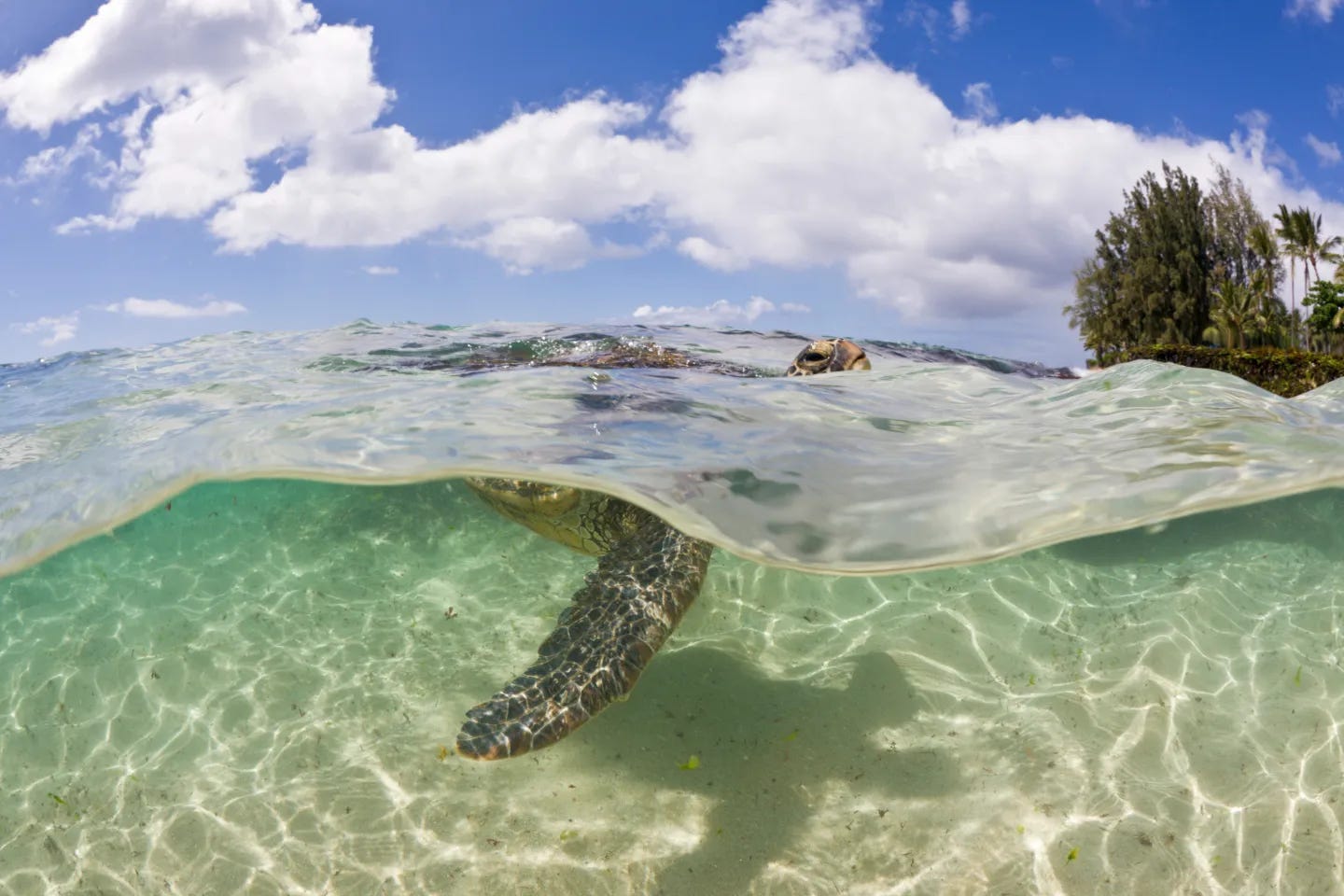
One of the greatest moments in my diving was swimming with green sea turtles. The gentile giants of the Caribbean Ocean.
Over the years I noticed a decline in the sea turtles in the Cayman area and other diving locales.
That’s when I became more involved in what was going on in the oceans in our world.
I had no idea at the amount of losses incurred by these mighty, and friendly giants of the sea. I only knew the population was declining.
I was a proud sponsor of the Cayman Turtle Center on Grand Cayman. A group of volunteers working to keep the sea turtle population from dwindling.
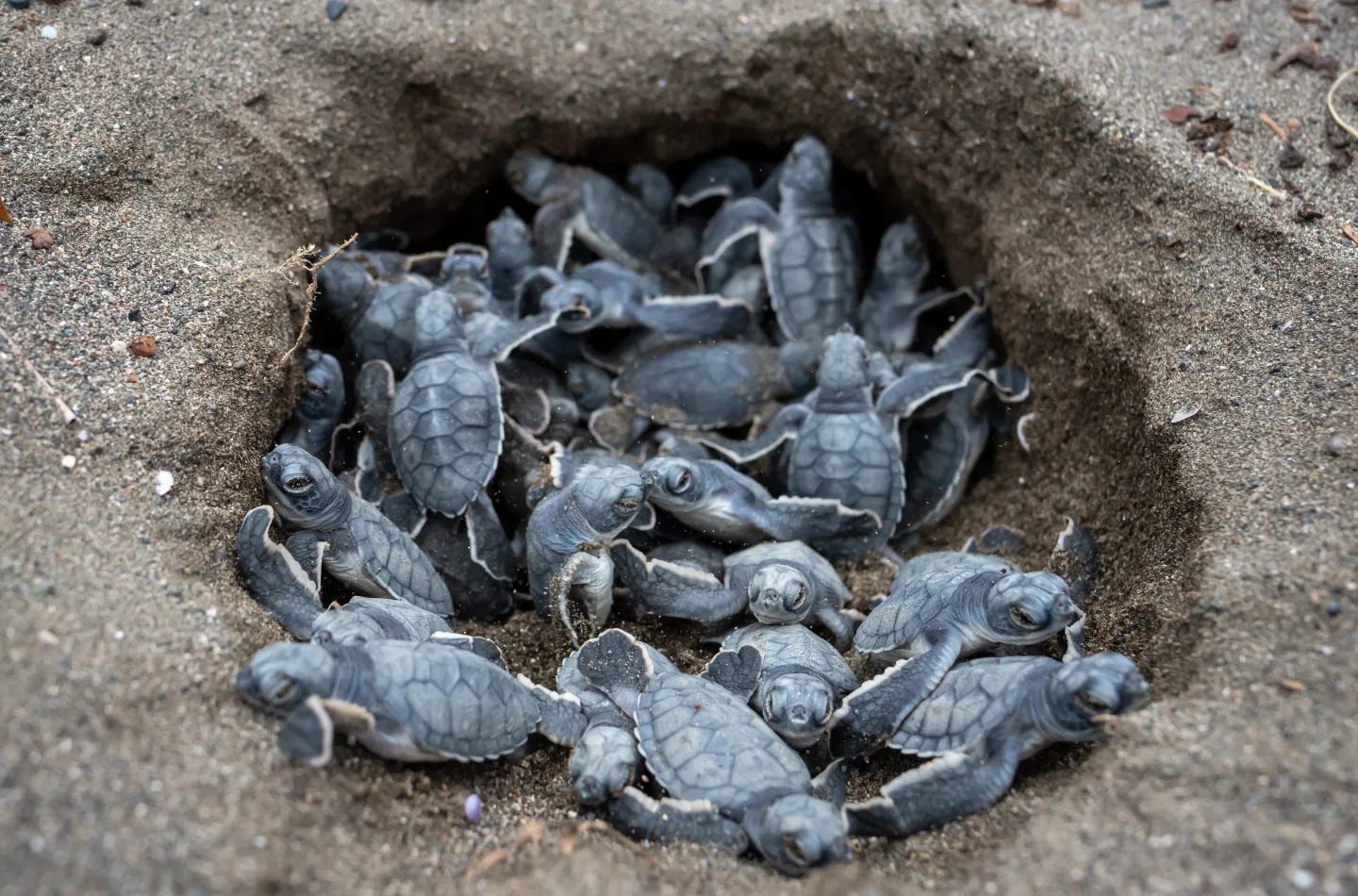
Scientists measure sea turtle populations by counting their nests on beaches. And in some regions, such as Florida, the number of them has surged in recent years. In the 1980s, for example, researchers detected only around 40 nests each year in and around Archie Carr National Wildlife Refuge, a protected area along Florida’s east coast. Now, they’re consistently counting more than 20,000 of them, said Kate Mansfield, a professor at the University of Central Florida who runs the monitoring program. “The green turtles have just gone absolutely, wonderfully, exponentially higher,” Mansfield told me. “I’m cautiously optimistic.”
It’s a spot I would tell everyone I knew visitng the Islands to stop and visit and also support. They were and still are doing great work to help bring back the green sea turtle.
You might be asking what this all had to do with California? Well guess what, the green sea turtle swims in our waters and wouldn’t be fantastic if the population grew.
That’s what’s happening now. The story below covers the growth in population of green e=sea turtles by 28% since the 1970s.
According to researchers at the International Union for Conservation of Nature and Natural Resources (IUCN), the leading authority on endangered species, the global population of green sea turtles — one of the seven sea turtle species found worldwide — is up 28 percent since the 1970s. IUCN reclassified the sea turtles from “endangered” to “least concern,” a category reserved for species that are not threatened with extinction and plentiful in the wild.
I’ll stop writing about my personal experiences with these friendly giants of the sea and let you read what Benji Jones of Vox has to report.
Enjoy!
Mark & Patti
Thanks for reading this edition of Your Golden State “Spotlight”! Getting this newsletter to you each week is a team effort, and we couldn’t do it without the collaboration between myself, the writer, and my wife, Patti, who works tirelessly to edits my errors. Your support means the world to us. If you’d like to help us continue sharing these stories, you can support our efforts by Buying Us a Coffee at this link.